
CPSWE resources: what’s around for ‘prelim’ ESOL learners?
If you’re teaching adult ‘prelim’, CPSWE, Initial Course in EAL, ‘pre-beginner’ or ‘literacy’ students in an ESOL class, you’re probably making a lot of your own materials. Your classroom cupboards are filled with word and letter cards, ‘play money’, food and medicine packets and supermarket flyers. Your reading materials are based on excursions or ‘learner news,’ recorded on learners’ phones for … Continue reading
Let’s Connect: An Australian Grammar Workbook
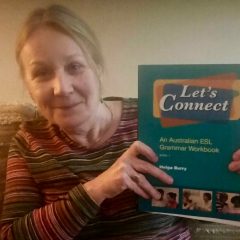
Talking to Helga Burry, ESOL grammar book author and grammar enthusiast: I always get excited about new Australian ESOL/EAL resources, and once again, I know the author. I met Helga, who has just published Let’s Connect: An Australian Grammar Workbook, when we taught together in a refugee camp in Thailand, years ago. (The same camp where I met Carmel Davies, from Urban Lyrebirds … Continue reading
Another new Australian EAL/D resource
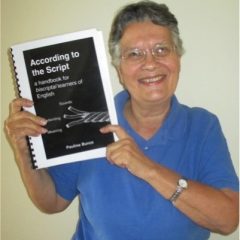
According to the Script… I met up with Pauline Bunce at the ACTA/ACAL conference last weekend – she has a new resource out, called According to the Script, available as a downloadable pdf – from her website, alphabetheadaches.com. I bought it (for a very reasonable $15) – it’s huge, very comprehensive, pitched at a more advanced level than the Prelim … Continue reading
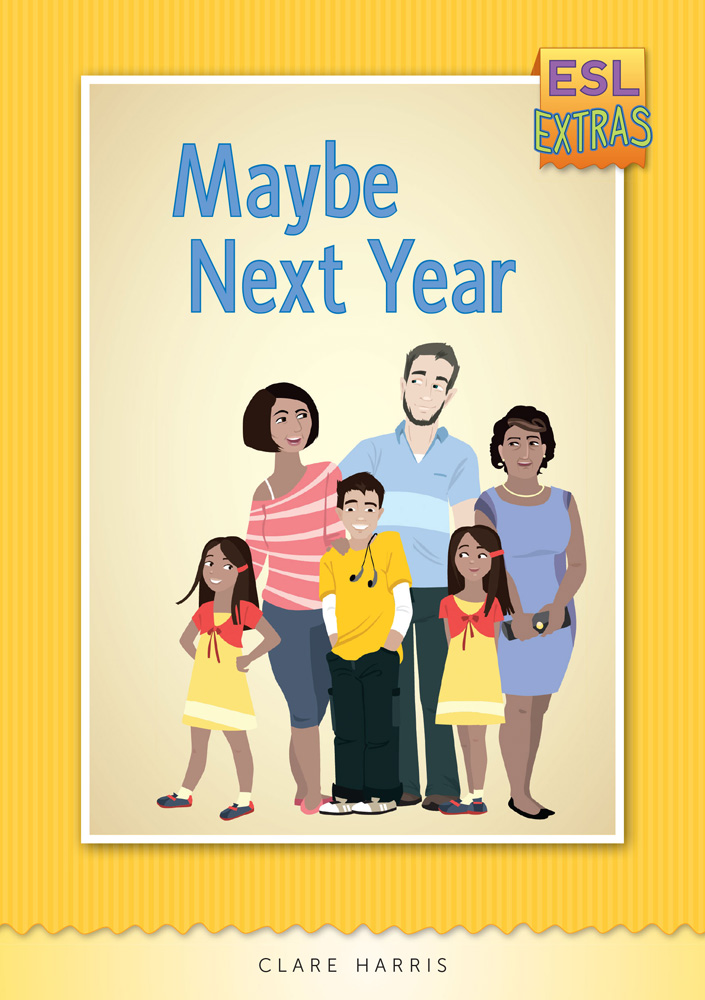
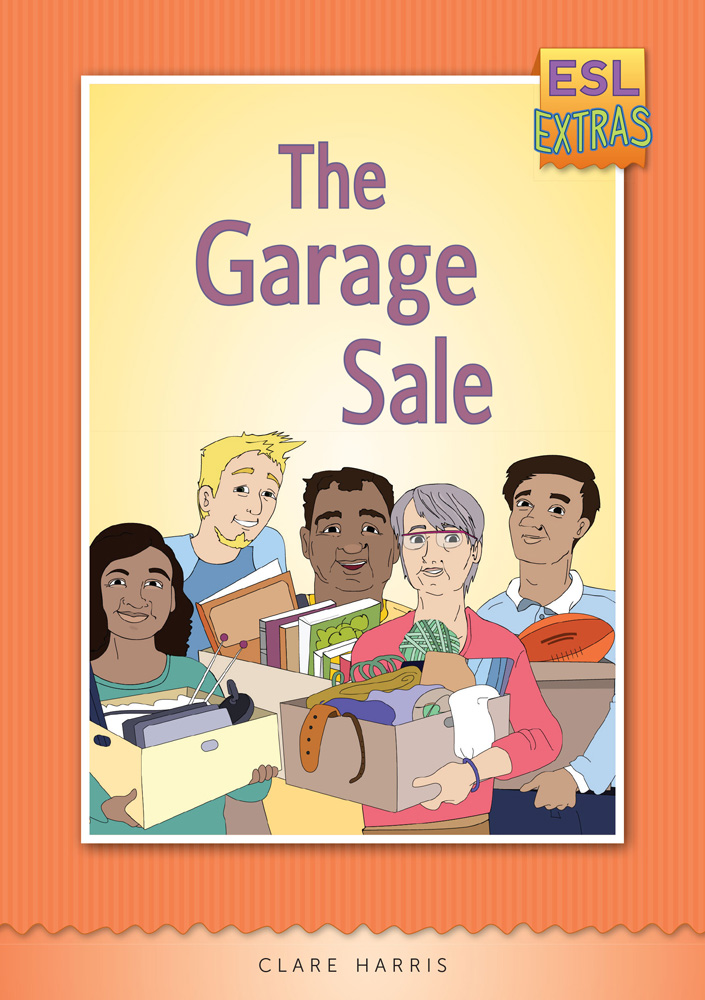
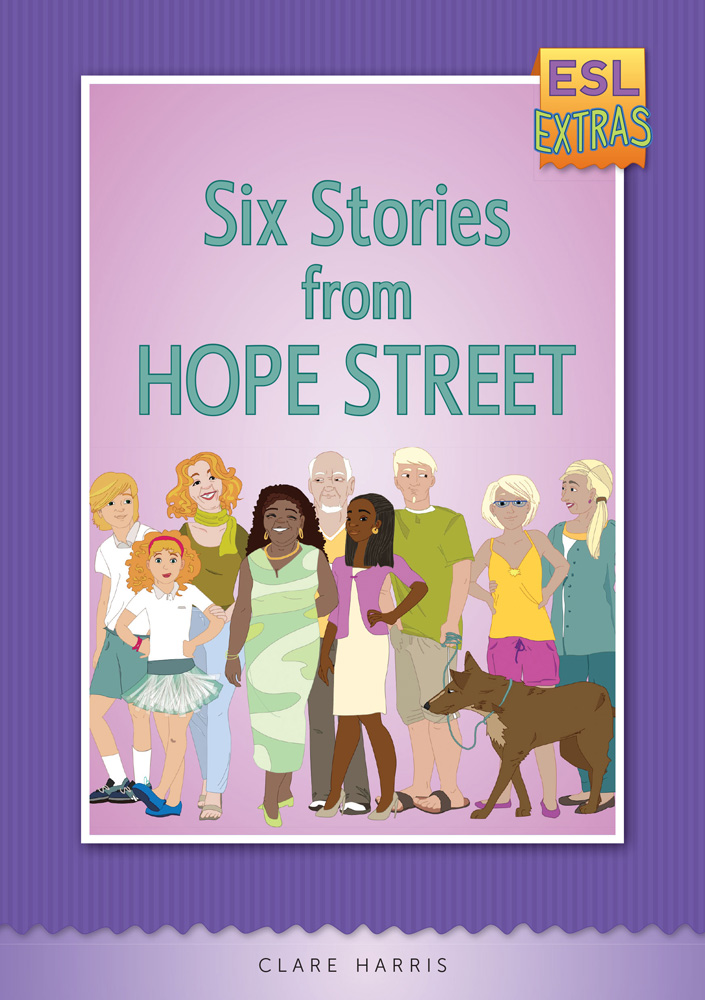
Welcome to Hope Street: new ESL Extras book
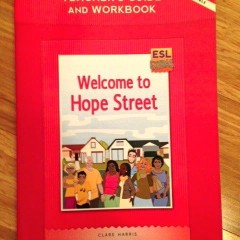
The latest book in the Hope Street series is an introduction to the series for ‘beginner beginner’ learners – those who are just able to read single sentences on very familiar topics (as in Module B of the CPSWE). Target learners: CPSWE or ‘prelim’ Welcome to Hope Street is aimed at learners towards the end of the ‘prelim’ journey, or … Continue reading
ESL: What does it really stand for?

I’ve occasionally felt a little awkward about the name of my book series, ESL Extras. ESL is such a familiar term, almost always known by volunteers and non-teachers, and of course still very much in use internationally. It’s clearly distinguished from EFL as something you learn in an English language environment, not in another language environment. However, here in Australia, … Continue reading