
English for Swimming: a free (and fabulous) resource
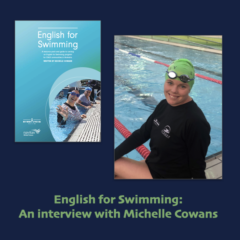
English for Swimming! You’ve hopefully already seen the free-to-download resource, or read about Michelle Cowan’s work at Navitas Skilled Futures, creating an English for Swimming Program that anyone can use. It’s so accessible and appealing and the program was highly commended in the 2020 NSW Humanitarian Awards…and I was fortunate enough to be able to ask Michelle some questions about … Continue reading
ESL Reads for young adult learners: an interview with Lauren Piovesan
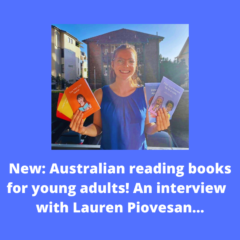
New reading books for English language learners! This time they’re digital, ready-to-print books for young adult learners of English, based on author Lauren Piovesan’s work with low literacy, refugee background learners in schools. She’s also been an AMEP volunteer tutor, and you can see her awareness of issues that learners face in her books at eslreads.com Lauren, tell us what … Continue reading
PRACE Pageturners: an interview with Anne Dunn
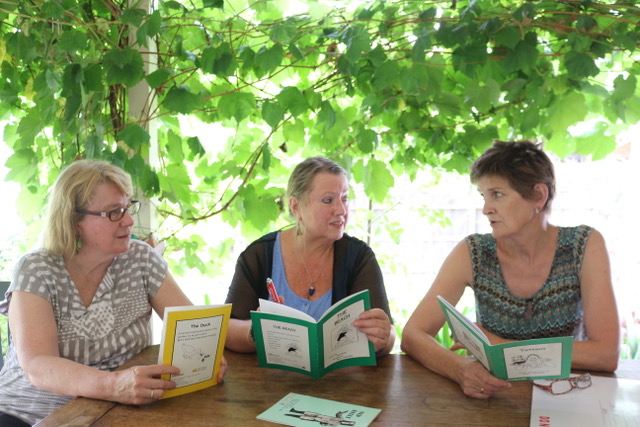
I have my own set of ‘yellow Pageturners’, which I love so much – and of course we have all the colours in our college library. They are genuinely funny, they make me want to keep reading…and yet they’re so simple and accessible. So I was excited to be able to ask Anne Dunn, one of the team, some questions: … Continue reading
NEW Australian resources: English Express Beginner Workbook!
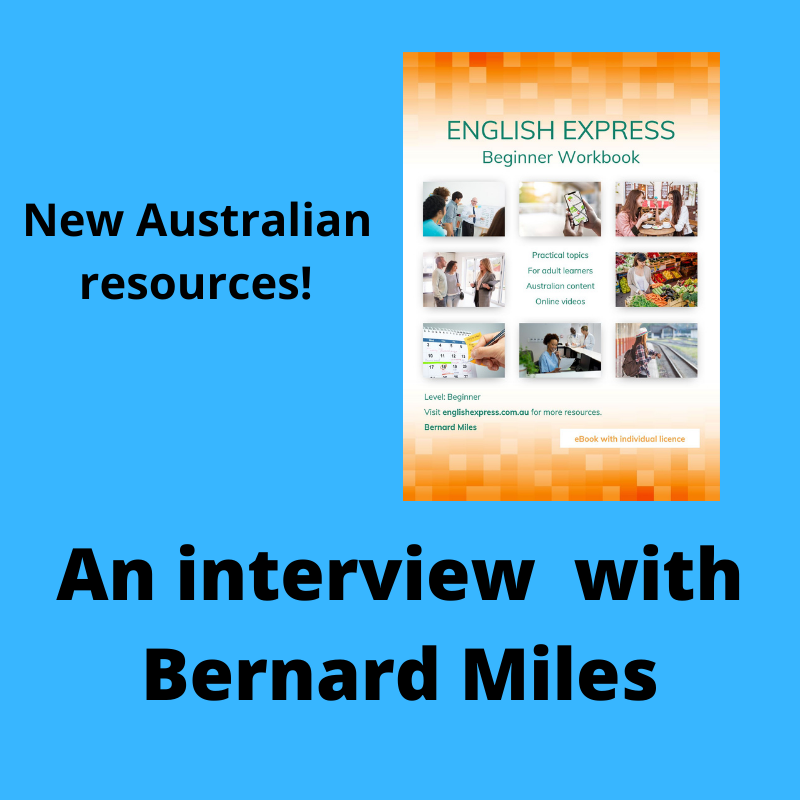
I was excited to hear that Bernard Miles had finished his English Express Beginner Workbook – and that it’s in eBook format, printable, but also ready for any teaching online that we may ever have to do. It’s so gloriously visual and even comes with animated videos. (I can’t imagine how much work that has been.) I asked Bernard to … Continue reading
Trauma-informed adult TESOL: an interview with Tori Wilson
When Victoria (Tori) Wilson invited me to join the ‘Trauma-informed adult TESOL International special interest group’ on LinkedIn, I knew I had to interview her, to find out more. I was not disappointed…this interview is long, but so worth your time. Tori, what got you interested in this area? I started teaching ELICOS at University of Southern Queensland (USQ) in … Continue reading